Loading community blog...
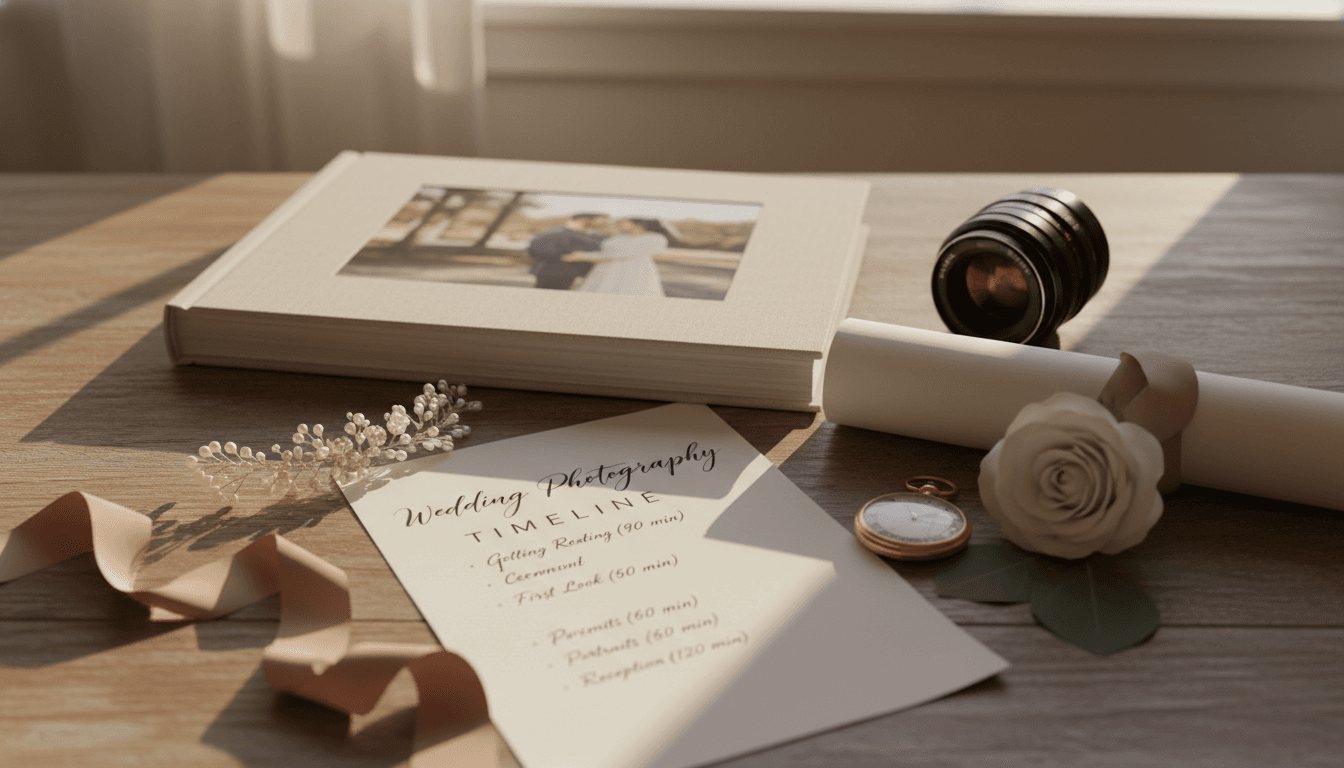
Your wedding day is a whirlwind of emotions, laughter, and unforgettable moments. One of the most critical elements in ensuring a smooth and stress free celebration is a well crafted **wedding photography timeline**. It’s the roadmap that guides your photographer, ensuring they capture every cherished memory. This detailed guide will walk you through creating a timeline that perfectly aligns with your vision, guaranteeing stunning photos and a day you’ll treasure forever.
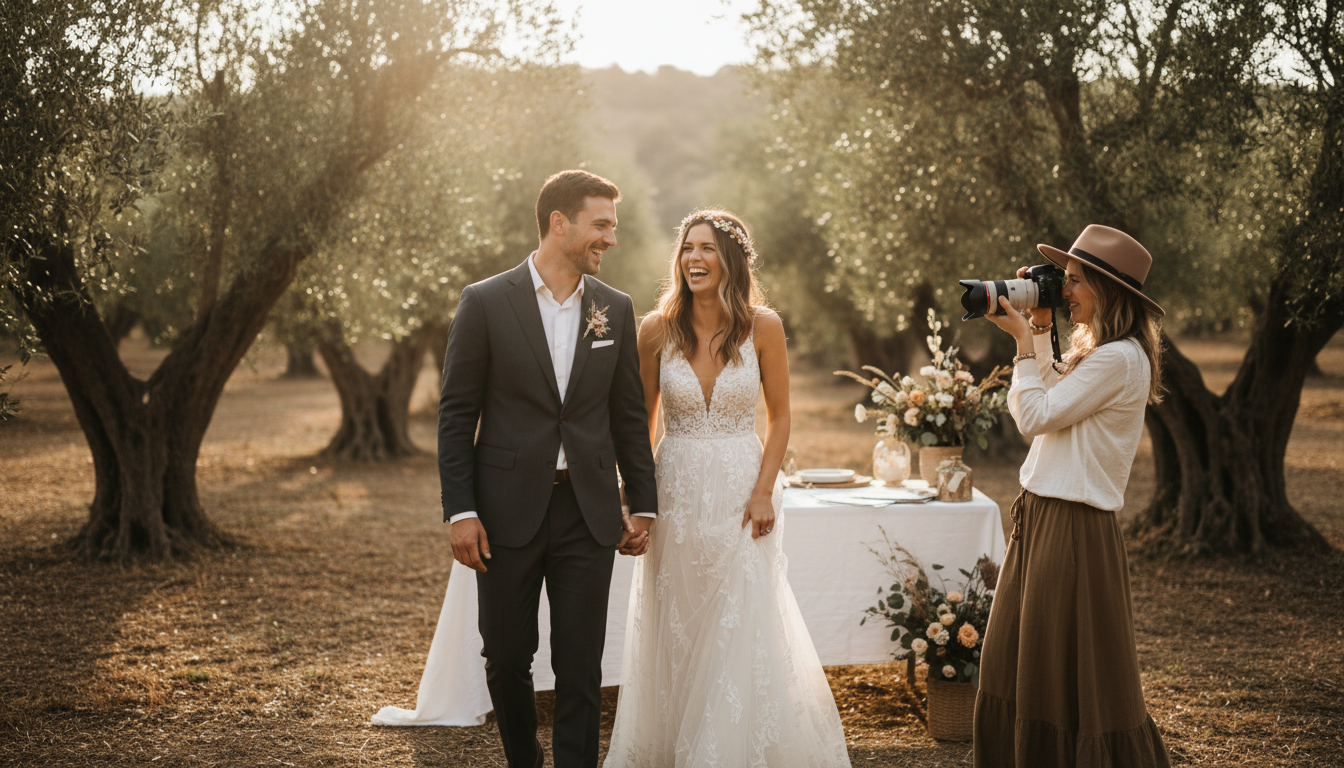
Creating your perfect wedding photography timeline isn’t a one size fits all approach. It should be tailored to your specific needs and preferences. Consider the time of year, the location, and, most importantly, the specific moments you want to be captured. A well thought out timeline will help you maximize your photography coverage and minimize any potential stress on your big day.
Start by identifying the key moments you want to document. These might include the bride and groom getting ready, the first look, the ceremony, family portraits, the reception entrance, and the speeches. Think about what's most important to you, and build your timeline around those elements. Don't be afraid to collaborate with your photographer to get their expert opinion, they've seen it all!
Capturing those special moments is key to a perfect wedding day.
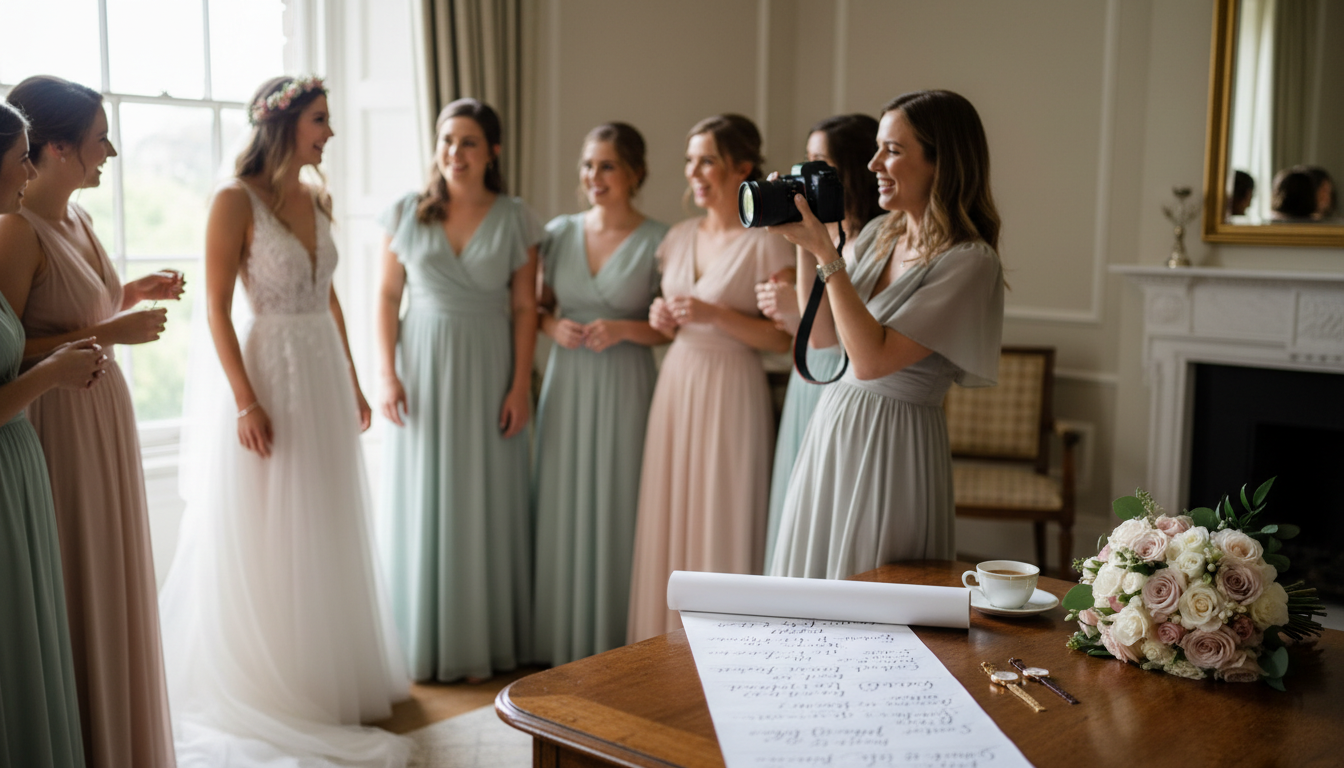
The getting ready process is a precious time, filled with anticipation and excitement. Allocate ample time for hair, makeup, and candid shots of the bridal party. Your photographer will capture the details the dress, the shoes, the rings, and the laughter. Aim for at least 2 3 hours before the ceremony begins.
Remember to factor in travel time between locations, if applicable. Consider having the getting ready location well lit and tidy to ensure the best possible photos. This will make the photographer’s job much easier and allow them to focus on capturing the emotion of the moment. This is a great time for some champagne!
The first look is a special moment where the couple sees each other before the ceremony. It can be a private and intimate experience, allowing for relaxed photos before the rush of the day. If you choose to have a first look, it will also provide more time for couple portraits. Alternatively, if you want to keep the moment a surprise, the timeline must be adjusted to allow for photos after the ceremony.
“A first look can ease nerves and allow you to enjoy more of your cocktail hour!”
Your photographer will capture the ceremony from various angles, focusing on the key moments: the walk down the aisle, the vows, the ring exchange, and the first kiss. Ensure your photographer knows any specific requests or traditions you want to include. The ceremony itself usually takes about 30 60 minutes, depending on its structure.
Communicate with your officiant beforehand to confirm where your photographer can move during the ceremony. This ensures they can capture the most important moments without being disruptive. It's crucial to respect the sacredness of the moment and the comfort of your guests.
After the ceremony, dedicate time for family and bridal party portraits. Create a list of essential group shots beforehand to streamline the process. This will save time and ensure everyone is included. Allocate about 30 60 minutes for these photos, depending on the number of groups.
Consider the location for these photos. A well lit, visually appealing area will result in better images. Enlist a family member or friend to help gather people and keep things moving. This will help make the process quick and painless.
The reception is where the celebration truly begins! Your photographer will capture the entrance, the first dance, toasts, cake cutting, and the overall atmosphere. Ensure your photographer knows the schedule of events, including any special dances or performances. This allows them to be in the right place at the right time.
The length of reception coverage will depend on your package and how much of the reception you want documented. Discuss this with your photographer to determine the optimal time frame. Be sure to factor in time for any special moments, like the bouquet toss or garter removal.
If possible, schedule couple portraits during the “golden hour,” the hour before sunset. This time offers soft, flattering light that creates stunning images. Your photographer can advise on the best time to capture these photos. It’s a great way to sneak away from the party for a few romantic moments.
The golden hour provides the perfect light for romantic photos.
Communicate Clearly:Discuss your timeline with your photographer, planner, and key family members.
Build in Buffer Time:Unexpected delays can happen, so add extra time to each section.
Prioritize:Focus on the most important moments and be flexible with the rest.
Consider Lighting:Plan your photo locations with lighting in mind.
Your photographer is your partner in capturing your wedding day memories. They can offer valuable insights and suggestions for your timeline. They have experience and can help you avoid common pitfalls. Open communication and collaboration are key to a successful partnership.
Share your vision and any specific requests you have. Provide your photographer with a detailed schedule, including addresses, contact information, and any special instructions. Make sure they have a copy of the finalized timeline well in advance of the wedding day.
Creating a detailed **wedding photography timeline** might seem like a lot of work, but the effort is worth it. It ensures that every precious moment of your wedding day is beautifully captured. By following these guidelines, you can create a timeline that reflects your vision and allows you to relax and enjoy your special day to the fullest.
Want to ensure your wedding photos are perfect?Learn how to choose the right photographer. Ready to book?Discover our wedding photography packagesto get started!
Timeline: helps couples plan with clarity and confidence.
Enjoyed this article? Share it.
Get the latest wedding tips, inspiration, and planning guides delivered to your inbox.
how to choose a wedding photographer: How to Choose a Wedding Photographer Essentials
Choosing a wedding photographer is one of the most important decisions you'll make for your wedding. This guide walks you through the key factors to consider, from style and experience to budget and personality fit.
Best wedding poses: The best wedding poses — What Couples Need to Know Essentials IMG Weddings
Great wedding poses aren't about rigid rules or awkward stiffness. They're about finding genuine moments and positions that make you both feel confident, connected, and naturally beautiful on your wedding day.
wedding photography checklist: Wedding Day Photography Checklist: The Complete Wedding Guide Essentials
Your wedding day is a whirlwind of emotions, laughter, and unforgettable moments. Amidst the excitement of saying ‘I do,’ ensuring your precious memories are beautifully captured is paramount. A well prepared wedding photography checklist can be your secret weapon, allowing you and your photographer to create a seamless experience and stunning gallery.
wedding guide: Best new: The Complete Wedding Guide: The Complete Wedding Guide Tips for 2026 Weddings Essentials
Planning a wedding can be exciting and a little overwhelming. This guide offers expert tips on budgeting, creating timelines, and choosing vendors to ensure your 2026 wedding is perfect.