general
Best wedding poses: The best wedding poses — What Couples Need to Know Essentials IMG Weddings
April 9, 2026
8 min read
2 views
Loading community blog...
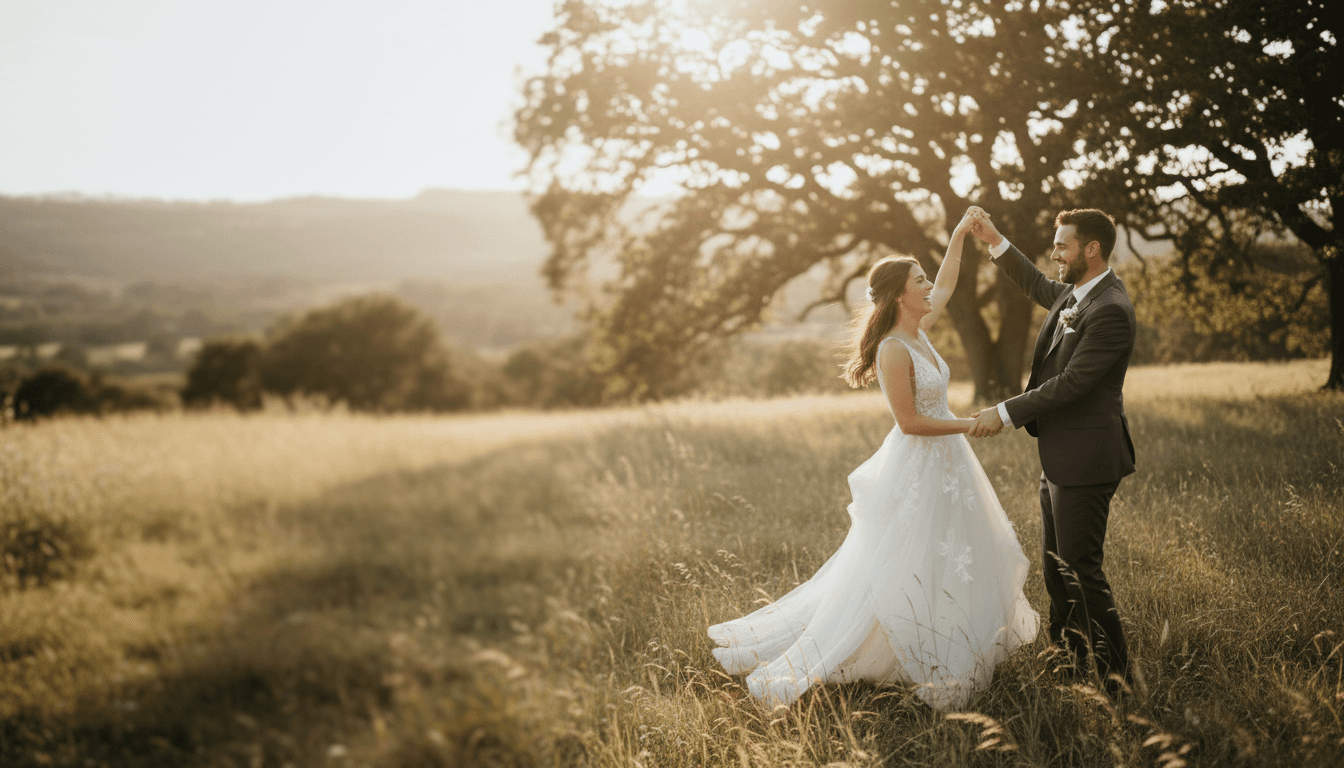
The moment you step in front of the camera on your wedding day, everything changes. Your photographer suddenly sees you through a lens, and the poses you choose will define how you remember yourselves for decades. But here's what most couples don't realize: the best wedding poses aren't about looking stiff or overly choreographed. They're about understanding your body, your connection with your partner, and how to position yourselves so the camera captures what's actually happening between you.
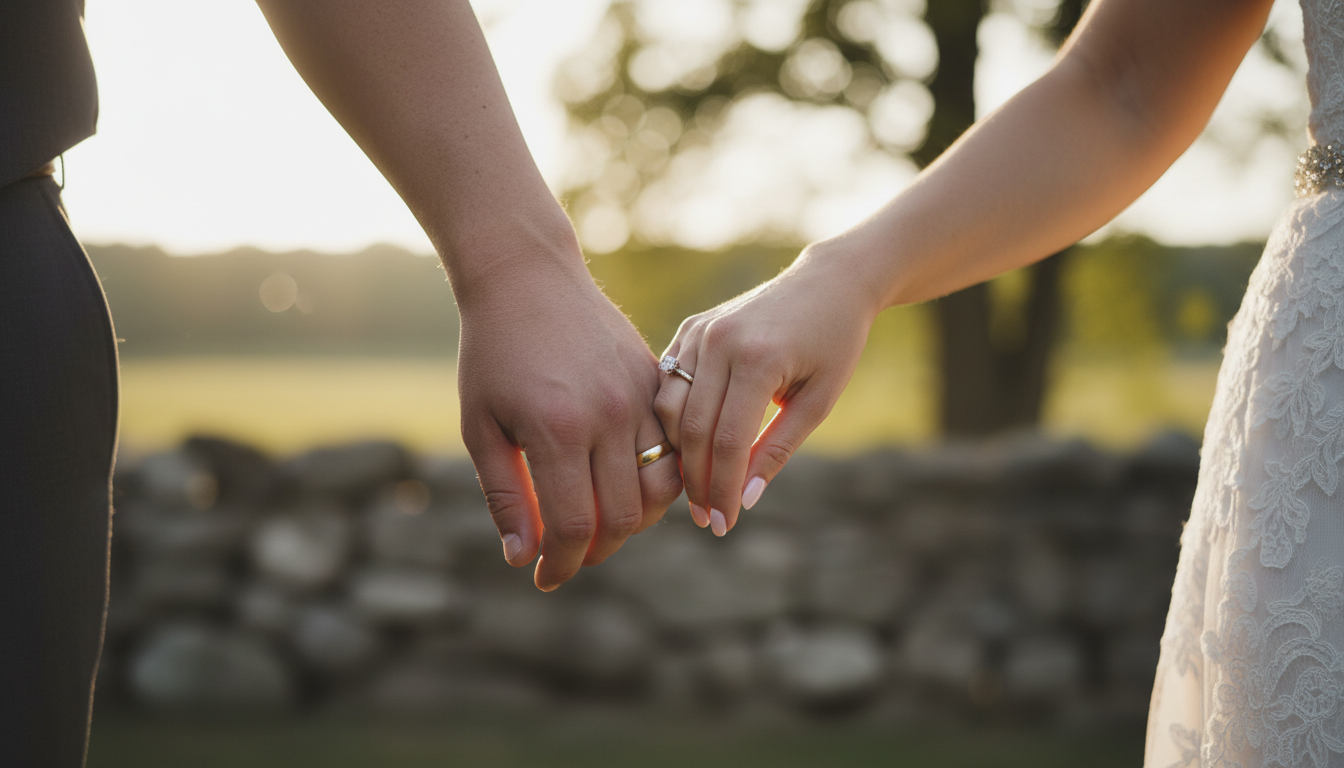
Photography is a two dimensional medium. What feels natural in person can look awkward in a photo, and what seems staged in the moment can translate beautifully once it's captured. Your photographer understands this gap. They know that a slight angle of your shoulders, the tilt of your head, or the placement of your hands can mean the difference between a photo you love and one you'll skip over in your gallery.
The couples who end up with the strongest albums aren't necessarily the most naturally photogenic. They're the ones who worked with their photographer, trusted the process, and understood that posing is a skill — not vanity. When you know how to position yourself, you give your photographer the best foundation to create images that feel authentic and flattering.
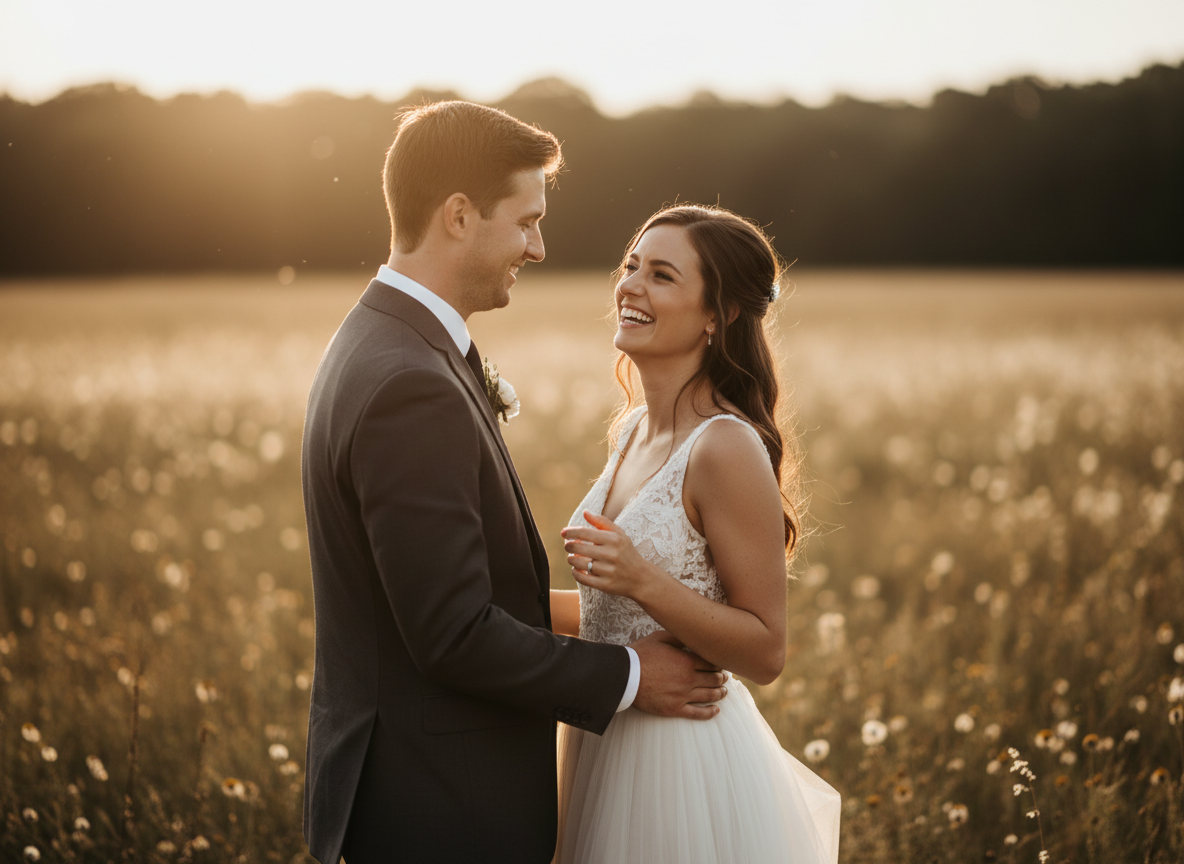
Before your wedding day arrives, spend time studying your own face and body in photos. Not to be self critical, but to understand what angles work for you. Do you photograph better from the left or right side? Does a straight on angle feel comfortable, or do you prefer a slight turn? These observations matter because confidence translates directly into better photos.
Most people photograph better at a slight angle rather than completely straight on. A 45 degree angle to the camera is often flattering because it shows dimension and avoids the flattening effect of a direct head on shot. Your chin should angle slightly down rather than up — this creates a more defined jawline and prevents the unflattering double chin effect that upward angles can create.
The best pose is the one that makes you feel like yourself. When you're comfortable and confident, that ease shows in every frame your photographer captures.
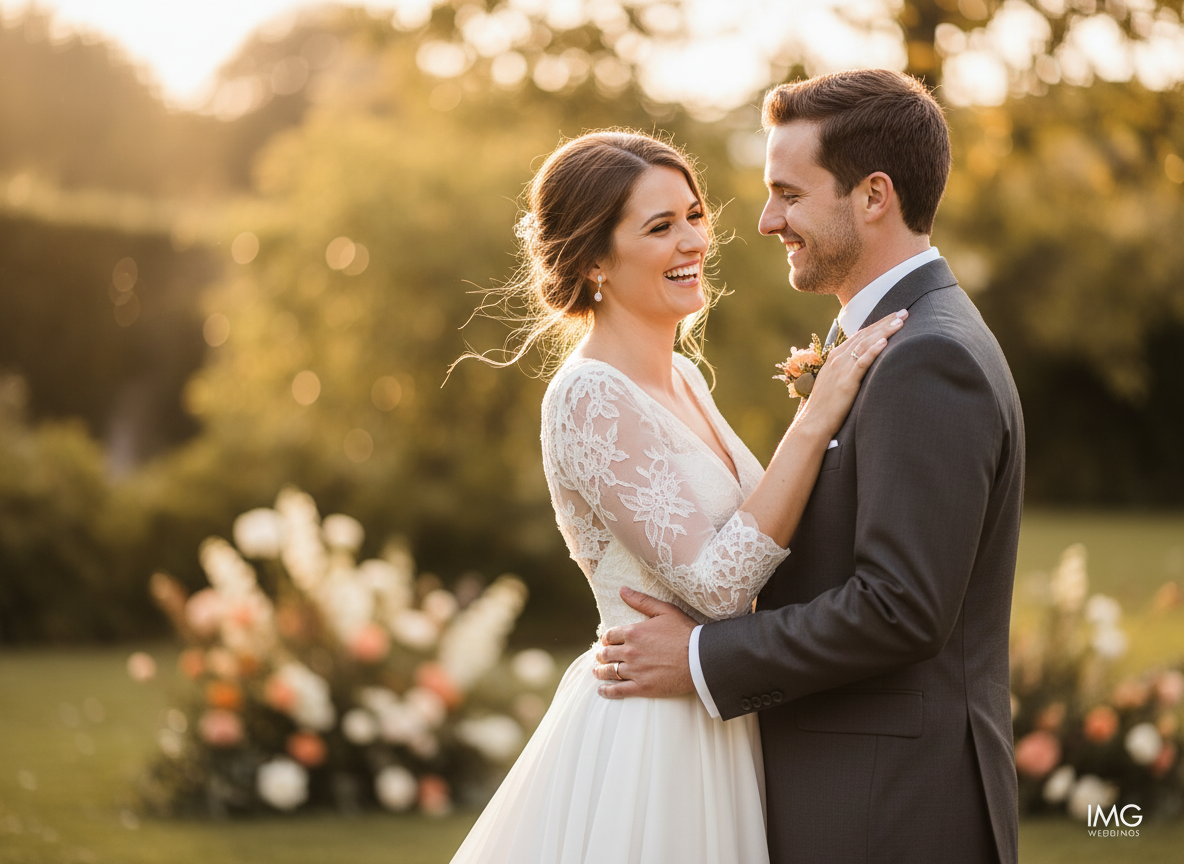
Couple poses should communicate the relationship between you. Your photographer will likely direct you to face each other, hold hands, embrace, or look toward the camera together. The key is that these poses should feel like an extension of how you actually interact, not a stiff recreation of a Pinterest board.
When you're facing each other, angle your bodies slightly so you're not perfectly parallel. One partner can lean in slightly while the other turns their head. This creates visual interest and feels more intimate than two people standing directly across from each other. Let your hands be purposeful — resting on a shoulder, holding a hand, or gently touching a cheek — rather than awkwardly at your sides.
The embrace is one of the most photographed couple poses, and for good reason. It naturally brings you close and communicates affection. But there are better and worse ways to do it. Instead of a stiff front facing hug, try standing at angles to each other. One partner can wrap their arms around the other from behind or the side, creating a more dynamic composition.
Your photographer might ask you to forehead to forehead, cheek to cheek, or with your foreheads touching while you both look down. These intimate variations feel genuine and photograph beautifully because they're positions you'd naturally find yourself in with your partner.
Some of the best couple photos happen while you're moving. Walking hand in hand, with one partner slightly ahead, creates a sense of journey and narrative. Your photographer will likely capture these as you move toward them or away from them, and the natural motion removes the stiffness that can come from standing still.
When you walk, keep your steps deliberate but relaxed. Look at each other occasionally, but also let your eyes move naturally. Your photographer will take dozens of frames during movement, so you don't need to hold a single pose — just keep moving and connecting.
You'll likely have photos taken of each of you individually. For these, posture matters significantly. Stand tall but not rigidly. Put your weight slightly on one foot and angle your body at about 45 degrees to the camera. This creates a slimming effect and prevents the flat appearance of a completely straight on stance.
Your arms should have a purpose. Avoid letting them hang straight down at your sides. Instead, tuck one hand in a pocket, rest a hand on your hip, or let your arms frame your body naturally. If you're holding a bouquet or your dress, position it so it enhances the composition rather than obscuring your body.
Sitting poses often feel more relaxed and can be flattering if done correctly. Sit at the edge of a chair or bench rather than sinking into it. Angle your body rather than sitting straight on. Cross your legs or position them to the side, which creates a more elongated line. Lean slightly forward rather than back — this engages your core and prevents slouching.
Your hands can rest in your lap, on your leg, or on a nearby surface. The key is avoiding the dead hand look where your arms just dangle. Your photographer might ask you to look down, toward the camera, or off to the side. Each direction creates a different mood and feeling in the final image.
Even the most perfectly positioned pose falls flat if your expression doesn't match. Your photographer will direct you to smile, laugh, look serious, or show genuine emotion. The timing of when that expression happens is crucial. Most photographers take multiple frames in quick succession, capturing the moment before, during, and after a genuine laugh or smile.
This is why it's so important to relax and trust your photographer's direction. They're not asking you to smile and hold it for 30 seconds. They're asking you to feel something — joy, love, anticipation — and they'll capture the authentic expression that follows. The best wedding photos often come from moments when you've forgotten about the camera entirely.
Genuine expressions come from genuine moments. Your photographer might ask you to think of something funny, to whisper something to your partner, or to remember a specific moment from your relationship. These prompts help create authentic emotion that translates beautifully in photos.
Your photographer brings expertise to posing, but you bring knowledge of yourself. Communicate with them before your wedding day. If you know certain angles don't work for you, mention it. If you have poses or moments you absolutely want captured, share those ideas. The best photographs come from collaboration, not from your photographer directing you like a puppet.
During your portrait session, give yourself permission to feel a bit awkward. The moment between when your photographer positions you and when they capture the shot is often uncomfortable. That discomfort is temporary. What remains is the beautiful image that results.
Ask your photographer for feedback during the session. They can see what's working and what isn't on the back of their camera. If a pose isn't flattering, they'll adjust it. If your expression feels forced, they'll help you find something more genuine.
The best wedding poses are the ones that feel right for you and your partner. Whether you prefer classic, timeless portraits or more modern, editorial style images, your photographer will guide you toward poses that flatter your features, communicate your connection, and feel authentic to who you are. The goal isn't perfection — it's capturing the genuine joy and love of your wedding day in images you'll treasure forever. When you understand posing basics and trust your photographer's expertise, the result is an album full of photos that make you smile every time you look at them.
Ready to find a photographer who understands posing and knows how to make you feel confident in front of the camera?Let's talk about your wedding day visionand how we can create portraits that feel like you.
Enjoyed this article? Share it.
Get the latest wedding tips, inspiration, and planning guides delivered to your inbox.
how to choose a wedding photographer: How to Choose a Wedding Photographer Essentials
Choosing a wedding photographer is one of the most important decisions you'll make for your wedding. This guide walks you through the key factors to consider, from style and experience to budget and personality fit.
wedding photography checklist: Wedding Day Photography Checklist: The Complete Wedding Guide Essentials
Your wedding day is a whirlwind of emotions, laughter, and unforgettable moments. Amidst the excitement of saying ‘I do,’ ensuring your precious memories are beautifully captured is paramount. A well prepared wedding photography checklist can be your secret weapon, allowing you and your photographer to create a seamless experience and stunning gallery.
Wedding Photography Timeline: Your Perfect Day's Guide
Read full article
wedding guide: Best new: The Complete Wedding Guide: The Complete Wedding Guide Tips for 2026 Weddings Essentials
Planning a wedding can be exciting and a little overwhelming. This guide offers expert tips on budgeting, creating timelines, and choosing vendors to ensure your 2026 wedding is perfect.