
general
how to choose a wedding photographer: How to Choose a Wedding Photographer Essentials
April 9, 2026
7 min read
0 views
Loading community blog...
Your wedding day happens once. The photos last forever. This is why choosing a wedding photographer matters more than almost any other vendor decision you'll make. A great photographer doesn't just document your day — they capture the emotions, the light, the fleeting moments that make your wedding uniquely yours. But with so many talented photographers out there, how do you know which one is right for you?
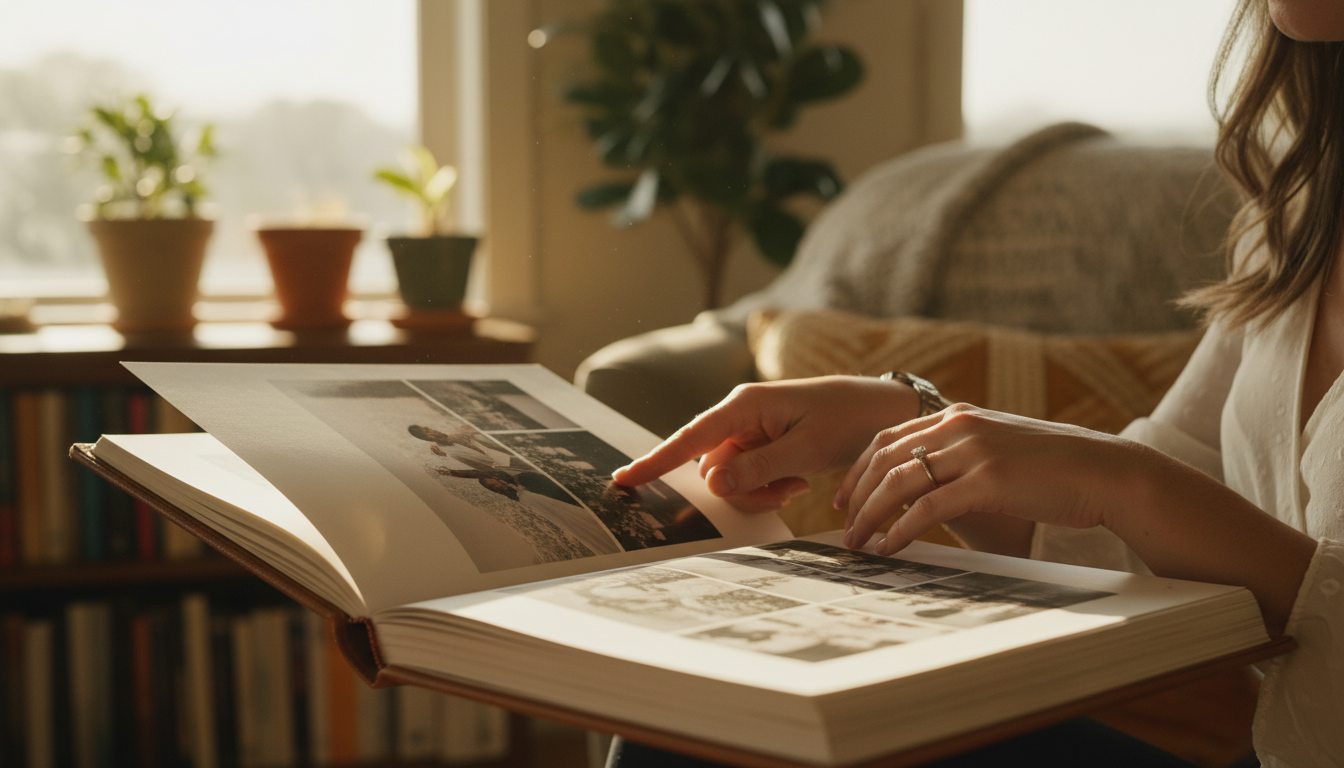
Before you start looking at portfolios, get clear on what you actually want. Photography styles vary dramatically, and what appeals to one couple might not work for another. Spend time on Instagram, Pinterest, and photographer websites. Save images that make you stop and look twice. Do you love bright, airy, natural light images? Are you drawn to moody, dramatic lighting? Do you prefer posed portraits or candid moments? Pay attention to color grading, composition, and the overall feeling of the images.
Once you've gathered inspiration, look for patterns. You'll likely notice your taste gravitates toward one or two consistent styles. Common photography approaches include fine art, photojournalism, editorial, romantic, and modern minimalist. Understanding which style resonates with you makes the photographer search infinitely easier. When you find a photographer whose portfolio matches your vision, you're already halfway to the right choice.
Make a Pinterest board or folder of 15 to 20 images that represent your ideal wedding photos. Include variety: getting ready moments, ceremony details, reception dancing, couple portraits. When you meet with photographers, show them this folder. Their reaction tells you a lot. Do they understand your vision? Can they deliver that style, or will they push you toward their own aesthetic? A photographer who's excited about your vision and confident they can execute it is worth serious consideration.

Wedding photography is not an entry level field, despite what some photographers think. Weddings move fast. Lighting changes constantly. You get one chance to capture the first kiss, the first dance, the walk down the aisle. A photographer needs the technical skill and experience to handle unpredictable situations without missing crucial moments.
Look at how long a photographer has been shooting weddings. One year is not enough. Three to five years is solid. More than that is excellent. But don't just count the years — count the weddings. A photographer who shoots 30 weddings a year for five years has more experience than someone who shoots five weddings a year for five years. Ask directly: how many weddings have you photographed? What challenging situations have you handled?
A strong photographer delivers consistent quality across their entire portfolio, not just their highlight reel. Ask to see a full wedding gallery, not just their best images. How do they handle flat lighting? What about dimly lit reception venues? Can they shoot in challenging weather? Do their images look good on a large screen, or do they fall apart when you zoom in? Consistency matters because your wedding will have moments in all kinds of light and situations.
Pay attention to their technical skills: sharp focus, proper exposure, balanced composition, and skilled use of flash and natural light. Wedding photographers need to master all of these. If you see soft focus, blown out highlights, or inconsistent color grading across their portfolio, that's a red flag.
Wedding photography pricing varies widely — from $1,500 to $10,000 or more per wedding. Your budget should reflect the value you place on this investment. Remember: you're not just paying for a few hours of shooting. You're paying for years of experience, professional equipment, editing time, and the photographer's expertise in handling anything your day throws at them.
Understand what's included in each package. Does the price cover the full day or just 8 hours? How many photos will you receive? Are they fully edited? Do you get prints, an album, or digital files? Some photographers include engagement sessions; others charge separately. Some offer second shooter coverage; others don't. These details significantly affect the actual value you're getting.
The most expensive photographer isn't automatically the best for your wedding, and the cheapest option usually means cutting corners. A mid range photographer with strong experience and a portfolio that matches your style often delivers better results than either extreme. Set a realistic budget based on your priorities, then find the best photographer within that range. If your budget is tight, consider hiring a photographer for the ceremony and key reception moments rather than the full day. A few stunning, well lit images matter more than hundreds of mediocre ones.
Quality photography is an investment that pays dividends for decades. You'll look at these images on your anniversary, show them to your children, and treasure them forever.
You'll spend 8 to 10 hours with your photographer on your wedding day. They'll be present during intimate moments, family photos, and emotional celebrations. This person needs to be someone you trust and feel comfortable around. Technical skill matters, but personality fit matters just as much.
Schedule a consultation call or in person meeting. How do they communicate? Do they listen to your vision or dominate the conversation? Are they organized and professional? Do they seem genuinely interested in your wedding, or are you just another booking? Trust your gut. If something feels off, it probably is. You want a photographer who makes you feel relaxed and confident, not anxious or dismissed.
During your consultation, ask about their backup plan if they get sick, their equipment backup system, how they handle challenging lighting, and their editing timeline. Ask about their style and philosophy. Ask to see a full wedding gallery. Ask for references and actually contact them. A photographer confident in their work will welcome these questions. Their answers should be detailed and thoughtful, not defensive or vague.
Pay attention to how they talk about their clients and previous weddings. Do they speak with genuine care and enthusiasm? Do they remember specific details about the couples they've worked with? This reveals whether they're truly invested in capturing meaningful moments or just going through the motions.
Before you sign anything, read the contract thoroughly. Understand exactly what you're getting: number of hours, number of edited photos, file formats, usage rights, and timeline for delivery. A typical timeline is 4 to 8 weeks for edited images, though some photographers deliver faster. Know whether you're getting digital files, prints, an album, or all three.
Check the cancellation and rescheduling policy. What happens if you need to postpone your wedding? Is your deposit refundable? Under what circumstances? These details matter, especially given how unpredictable life can be. A fair contract protects both you and your photographer.
After you've reviewed portfolios, discussed style and budget, and met with your top choices, step back and trust your instincts. Which photographer made you feel most confident? Whose work do you love? Who seemed genuinely excited about your wedding? The right choice often becomes clear once you've done the research. You'll feel it.
Choosing a wedding photographer is a significant decision, but it doesn't have to be stressful. By defining your style, evaluating experience, understanding budget, assessing personality fit, and reviewing contracts carefully, you'll find a photographer who captures your wedding day beautifully and authentically.
Finding the perfect wedding photographer takes time and thoughtfulness, but it's one of the best investments you can make for your wedding. Once you've found your photographer, you can relax knowing that your most important moments are in capable, creative hands. If you're ready to explore how our studio approaches wedding photography, we'd love to chat about your vision and how we can bring it to life.Get in touch with us todayto schedule a consultation, or browse ourwedding photography portfolioto see our work.
Choose helps couples plan with clarity and confidence.
Enjoyed this article? Share it.
Get the latest wedding tips, inspiration, and planning guides delivered to your inbox.
Best wedding poses: The best wedding poses — What Couples Need to Know Essentials IMG Weddings
Great wedding poses aren't about rigid rules or awkward stiffness. They're about finding genuine moments and positions that make you both feel confident, connected, and naturally beautiful on your wedding day.
wedding photography checklist: Wedding Day Photography Checklist: The Complete Wedding Guide Essentials
Your wedding day is a whirlwind of emotions, laughter, and unforgettable moments. Amidst the excitement of saying ‘I do,’ ensuring your precious memories are beautifully captured is paramount. A well prepared wedding photography checklist can be your secret weapon, allowing you and your photographer to create a seamless experience and stunning gallery.
Wedding Photography Timeline: Your Perfect Day's Guide
Read full article
wedding guide: Best new: The Complete Wedding Guide: The Complete Wedding Guide Tips for 2026 Weddings Essentials
Planning a wedding can be exciting and a little overwhelming. This guide offers expert tips on budgeting, creating timelines, and choosing vendors to ensure your 2026 wedding is perfect.